
Spring: prepare for storms and humidity
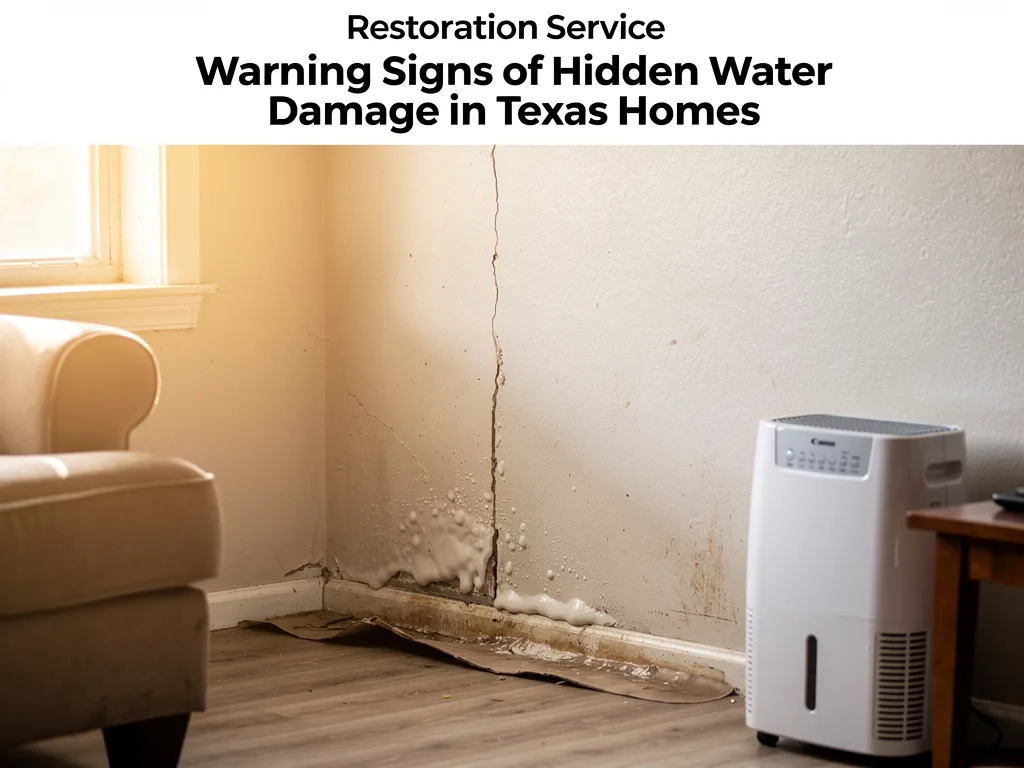
Spring brings higher humidity in many parts of Texas. Start with a quick exterior check for gutter clogs, downspouts directing water away from the foundation, and a seal around windows and doors. Inside, look for condensation on windows and any musty smells that linger after rain. Restoration specialists recommend running a dehumidifier in damp rooms and ensuring your attic is vented properly.
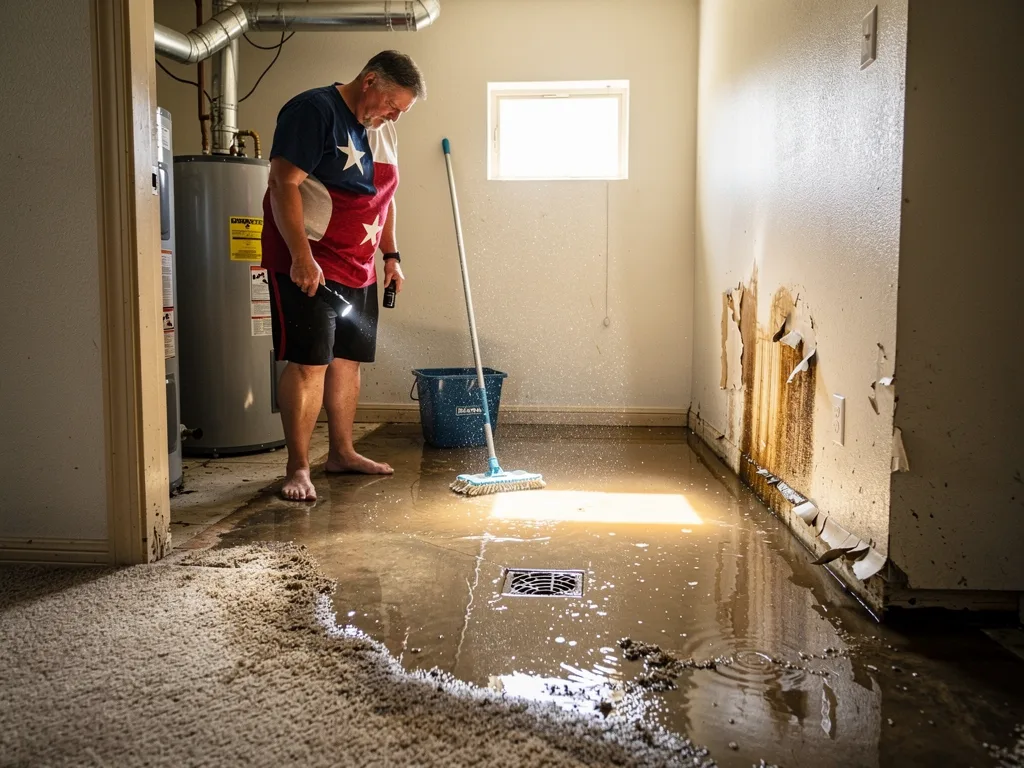
If you have a standing water issue after a storm, address it quickly. In Texas, even a few inches of water can seep into framing and insulation if left unchecked. Keep an eye on basements or crawl spaces, especially in older homes.
Summer: heat, humidity, and air movement
Texas summers push humidity up in many residences. Maintain a balanced indoor humidity level, ideally between 30 and 50 percent. Use exhaust fans in kitchens and baths, and ensure your HVAC system is well maintained. Restoration specialists often see increased moisture tied to runaway humidity, which can lead to wood damage or mold growth if not managed.
Inspect roofs for small leaks that could become big problems during storms. Clean any standing water from around the home, and check irrigation lines that may Direct water near the foundation. Texas-wide crews can help with a routine check and quick fixes before the wet season hits.
Fall and winter: preparing for cold snaps and storms
As temperatures drop, pipes can become vulnerable to freezing. Protect exposed plumbing, insulate pipes in unheated spaces, and know where your shutoff valve is in case you do experience a leak. If you do spot a freeze-related issue, contact restoration specialists promptly to verify there is no hidden moisture behind walls.
Seasonal planning also means keeping your home dry during holiday gatherings. If you notice condensation buildup or damp spots around envelope leaks, get a professional assessment. Across Texas, a proactive approach saves more than money; it saves the hassle of major repairs later.
Simple, statewide routine checklist
- Check for damp spots after storms and clean gutters.
- Run dehumidifiers in damp spaces and ensure ventilation in bathrooms and kitchens.
- Inspect basements or crawl spaces for moisture buildup and address promptly.
Texas Fire Restoration can tailor a seasonal plan for your home, with crews ready across the state to help you stay ahead of moisture and temperature changes.