Recognizing the early red flags
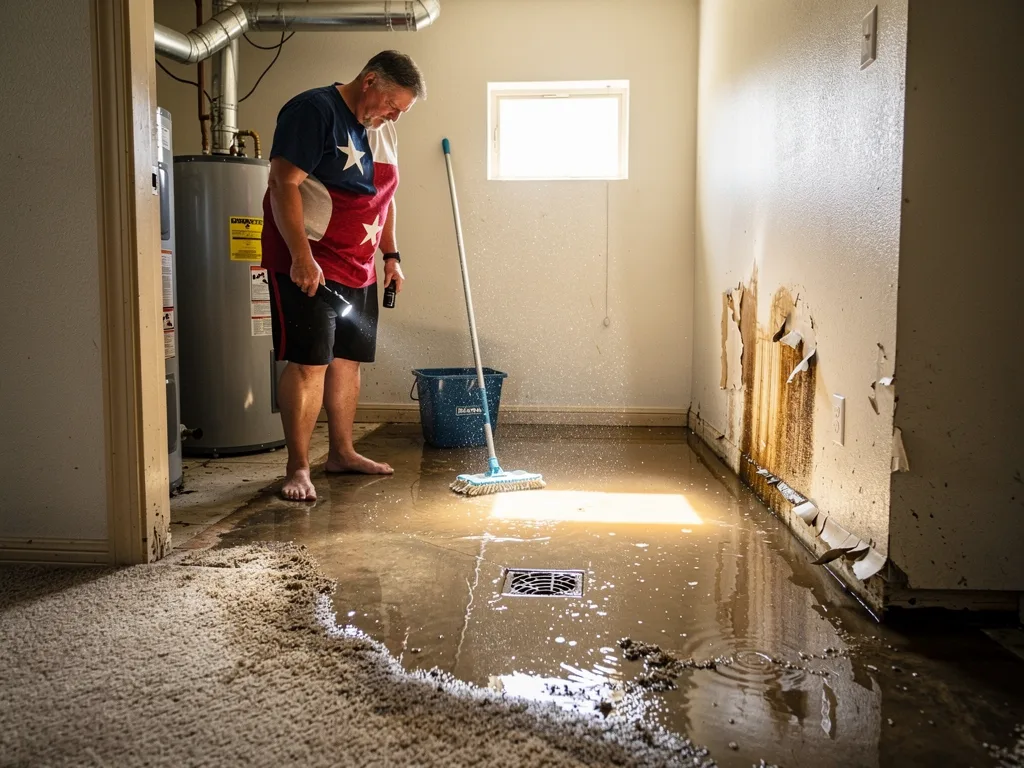
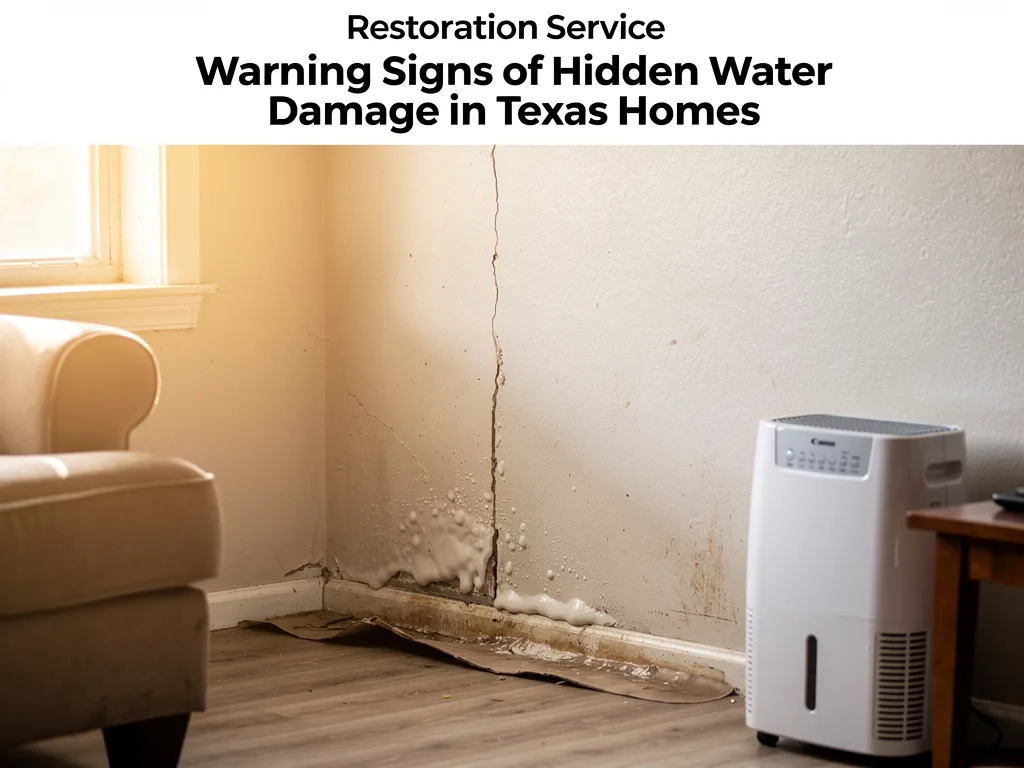
Water damage can hide behind walls, under floors, or in attic spaces. In Texas, where humidity and seasonal storms are common, small signs often appear before a major issue. Look for aMusty odor, any staining on walls or ceilings, and peeling paint that isn’t explainable by normal wear. If you notice recurring condensation on windows or a damp feel in rooms after rain, that’s a signal to bring in restoration specialists for a closer look.
Another telltale sign is rising moisture in basements or crawl spaces. In Texas homes with aging foundation work or vents that don’t vent properly, moisture levels can climb quietly. Restoration specialists check moisture readings in affected areas and assess whether framing, insulation, or finishes have begun to warp.
Why Texas homeowners should act quickly
Water that sits invites more damage: warped wood, mold growth, and degraded insulation. In Texas, where weather can swing from heavy rain to dry heat, rapid changes in moisture can stress materials. Quick assessment by a restoration specialist helps prevent secondary damage and keeps costs in check.
Small leaks can come from plumbing, roofing, or HVAC condensate lines. Even a minor drip can lead to bigger problems if left unchecked. A fast, professional inspection gives you a clear plan and stops the cycle of damage before it spreads to neighboring rooms.
What restoration specialists do on a first visit
In a typical Texas-wide service call, restoration specialists assess moisture sources, contain affected areas, and document visible damage. They use moisture meters and infrared cameras to map the spread. The goal is to determine what can be dried in place and what needs removal, all while keeping disruption to your home as minimal as possible.
After the initial assessment, you’ll receive a clear, non-technical explanation and a practical plan. The approach often involves temporary containment, drying equipment placement, and a timeline you can track as crews move through the project across Texas.
Quick actions you can take
- If you notice damp spots, remove any standing items from the area and keep doors open to improve air flow.
- If possible, shut off the affected water source at the valve to limit further spread.
- Take photos of any visible damage for your insurer and share them with restoration specialists when they’re on-site.
Across Texas, early reporting makes a big difference. Reach out to Texas Fire Restoration for a guided assessment and a plan that fits your home and your schedule.